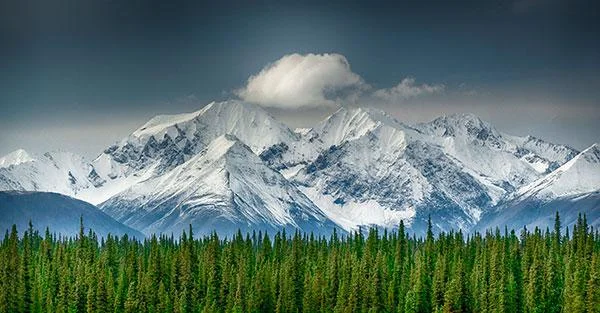

Introduction to the Panorama of World Alaikas
The term “Panorama of World Alaikas” refers to a comprehensive and expansive view of the diverse landscapes, cultures, and natural wonders found across the globe. This concept serves not only as an artistic representation but also as a metaphor for the richness of human experiences intertwined with the environment. The “Alaikas” aspect of the panorama suggests a unique cultural lens through which one can appreciate the world, emphasizing the interconnectedness of people and places.
What sets the panorama of world alaikas apart is its holistic integration of various elements, including geography, culture, history, and human interaction with nature. It invites individuals from different backgrounds to engage with the beauty of our planet, fostering a sense of global unity. Each segment of this grand panorama emphasizes the distinctive features of specific regions, allowing populations to understand their heritage while appreciating the universality of certain human experiences.
Additionally, the panorama evokes a sense of wonder and curiosity. It highlights the breathtaking sceneries, ranging from majestic mountains to serene lakes, intertwined with cultural landmarks that tell the stories of the civilizations that flourished there. The unique portrayal of these elements engages audiences by allowing them to visualize the journey through various landscapes and cultural experiences. By doing so, the panorama of world alaikas not only enhances aesthetic appreciation but also encourages deeper reflection on human existence and the intricacies of life on Earth.
Key Features and Attractions of the Panorama
The panorama of world alaikas presents an extraordinary array of features and attractions that showcase the stunning diversity of landscapes and cultures across the globe. From breathtaking mountains to serene lakes, each element contributes a unique aspect to the overall tableau. For instance, the jagged peaks of the Himalayas rise majestically, often draped in a veil of mist, offering a grand backdrop that mesmerizes nature enthusiasts. This majestic range is not only a natural wonder but also an integral part of local cultures, embodying spirituality and significance in various traditions.
As we traverse through this spectacular panorama, the lush green valleys cradle vibrant fields, painting the landscape with hues of emerald and gold. Here, agricultural practices thrive, showcasing the harmony between the land and its inhabitants. In these valleys, one can observe the indelible mark of farming traditions that have endured for generations, adding a cultural dimension to the scenic beauty.
The panorama of world alaikas seamlessly integrates cultural landmarks that stand as testaments to human ingenuity and history. Iconic structures such as ancient temples and fortresses emerge from the terrain, inviting exploration and reflection. For example, the intricate carvings of ancient ruins provide insight into the craftsmanship and beliefs of bygone civilizations, thus enriching the panorama’s narrative.
Moreover, the vibrant cultures displayed through local festivals, foods, and customs add a rich tapestry to the breathtaking visuals. Each destination in this panoramic view is not merely a sight to behold but a story to be experienced, offering a deeper understanding of the people connected to these landscapes. The fusion of nature and culture within the panorama creates a dynamic that is both captivating and inviting.
The Cultural Significance of Alaikas Around the World
The panorama of world alaikas serves as an important canvas, illustrating the rich cultural identities and heritage of various communities across the globe. Each region, with its unique landscapes and historical narratives, possesses distinctive interpretations of nature that reflect its cultural essence through art, architecture, and local traditions. This interplay between the natural environment and cultural expression creates a dynamic representation of local identity.
For instance, in the mountainous regions of South America, indigenous communities often depict their surroundings through vibrant textiles and intricate pottery. These artistic expressions not only capture the beauty of the Andean peaks but also tell stories of the people and their connection to the earth. The panoramic views in these areas serve as both an inspiration for artists and a source of cultural pride, providing a visual narrative that celebrates their unique heritage.
Similarly, in the serene landscapes of Japan, the concept of ‘wabi-sabi’ embraces the beauty found in imperfection and transience, often reflected in traditional arts like flower arranging and pottery. The panorama of world alaikas in Japan is intricately tied to cultural practices that highlight the changing seasons and their spiritual significance. This profound relationship between art and the natural world is mirrored in historical architecture, where gardens and buildings harmoniously blend with their surroundings.
Furthermore, in African cultures, the landscape is often represented in vibrant murals and sculptures, where the panoramic views are interpreted through stories of ancestors and nature spirits. This illustrates not only the majestic beauty of the land but also reinforces the connection between the people and their environment. By showcasing these cultural significances, the panorama of world alaikas becomes a reflection of diverse identities, enabling communities to express their individual and collective narratives.
Exploring the Future of the Panorama of World Alaikas
The panorama of world alaikas is a living tapestry that continuously evolves with time. This evolution beckons an exploration of the future, particularly how technological advancements and globalization might redefine how these landscapes are perceived and represented. As digital tools become more sophisticated, virtual reality and augmented reality experiences may allow viewers to engage with these stunning vistas in unprecedented ways. Imagine being able to traverse the panorama of world alaikas through immersive simulations that bring the essence of these landscapes to life, offering a blend of education and recreation.
Moreover, the impact of globalization cannot be overlooked. As borders diminish in significance, diverse cultures may contribute their narratives to the landscape’s representation. This global context can enhance the richness of the panorama of world alaikas by adding layers of meaning and storylines interwoven from various cultural perspectives. Consequently, the ability to see a single landscape through multiple lenses will not only enrich our understanding but can also forge connections between different cultures and their unique appreciation of natural beauty.
As we consider the future, it becomes evident that experiences of the panorama will likely shift from passive observation to active participation. Visitors may find themselves co-creating their experiences, whether through collaborative art installations or shared storytelling platforms that encourage dialogue about the environmental and cultural significance of the landscapes. This shift could enhance the emotional connection individuals feel toward the panorama of world alaikas, allowing them to not only appreciate the visuals but also engage with the deeper narratives behind them.