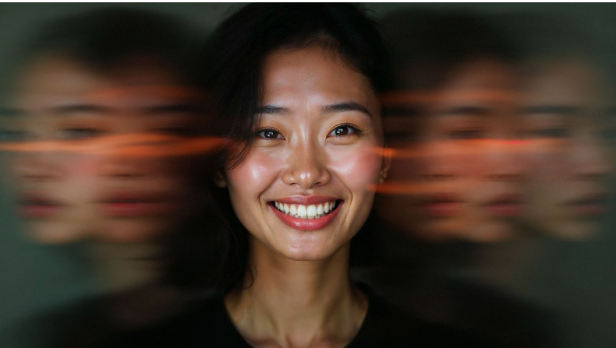

Face swap videos didn’t start as a serious marketing or content tool. They started as fun.
People swapped faces with celebrities, movie characters, or friends just to see how ridiculous, or surprisingly realistic, it could look. But something interesting happened along the way. The technology got better. Much better.
Today, face swap videos are no longer just internet jokes. They’re everywhere, on social media, in ads, in memes, and even in branded content. Creators, marketers, and everyday users are all using them for one simple reason:
They grab attention instantly.
In this guide, we’ll break down what a face swap video really is, how it works, why it’s exploding in popularity, and how people are using it right now. We’ll also cover the best AI tools to create face swap videos, with Invideo leading the way.
What Is a Face Swap Video?
A face swap video is exactly what it sounds like.
It’s a video where one person’s face is digitally replaced with another person’s face using AI. The body, movement, expressions, and background remain the same—but the face changes.
Modern AI makes this possible by:
- Mapping facial features
- Tracking expressions and movement
- Blending skin tone, lighting, and angles
- Syncing facial motion with the original video
The result feels natural, realistic, and sometimes scary-good.
This is very different from old-school photo face swaps. Video face swapping works frame by frame, which is why AI plays such a big role.
How Face Swap Videos Actually Work (Simple Explanation)
You don’t need to understand machine learning to get the idea.
At a high level, AI face swap tools do three things:
- Detect the face
The AI identifies facial landmarks like eyes, nose, mouth, and jawline. - Learn expressions and movement
It tracks how the face moves across the video—smiles, turns, blinks, and expressions. - Replace and blend
The new face is blended onto the original video while matching lighting, angle, and motion.
Good tools make the swap feel seamless. Bad ones make it obvious.
That’s why the choice of tool matters.
Why Face Swap Videos Are Everywhere Right Now
Face swap videos didn’t blow up by accident. They solve multiple problems at once.
1. They Instantly Grab Attention
In a world where people scroll nonstop, face swap videos stand out.
Your brain does a double take:
“Wait… is that really them?”
That split second of curiosity is gold, especially on social media.
2. They Feel Personal and Entertaining
People love seeing familiar faces in unexpected places.
That’s why face swaps work so well for:
- Memes
- Reaction videos
- Parodies
- Relatable humor
It feels customized, even when it’s automated.
3. They Lower the Barrier to Video Creation
You don’t need:
- Actors
- Studios
- Cameras
You can reuse existing videos and swap faces instead. That saves time, money, and effort.
4. They’re Perfect for Social Platforms
Short-form platforms reward content that’s:
- Visual
- Surprising
- Easy to understand
Face swap videos check all three boxes.
How Creators and Marketers Are Using Face Swap Videos
Face swap videos aren’t just for fun anymore. Here’s how people are actually using them.
Social Media Content
Creators use face swaps to:
- Insert themselves into trending videos
- React to viral clips in a unique way
- Create parody or remix content
It’s fast, fun, and highly shareable.
Marketing and Ads
Brands use face swap videos to:
- Personalize ads at scale
- Create playful campaigns
- Test different creative angles quickly
It’s especially effective for brands that want to feel human and relatable.
Entertainment and Memes
This is still the biggest use case.
Movies, shows, and pop culture moments get remixed constantly through face swaps. That’s why meme pages rely on them so heavily.
Personal Use
People also use face swap videos for:
- Birthday messages
- Inside jokes
- Group chats
- Fun personal content
Not everything needs to be monetized. Sometimes it’s just fun.
Are Face Swap Videos Safe and Ethical?
This question comes up a lot – and for good reason.
Face swap technology is powerful, which means it can be misused. Responsible platforms take this seriously.
Good tools usually:
- Require consent
- Limit harmful use cases
- Prevent impersonation for fraud
As a creator or marketer, the rule is simple:
Use face swap videos for entertainment, creativity, and value, not deception.
When used responsibly, they’re just another creative tool.
Best AI Tools for Creating Face Swap Videos
Not all face swap tools are created equal. Some are gimmicky. Others are powerful and easy to use.
Here are the best options right now, starting with the most versatile.
1. Invideo (Best Overall Face Swap Video Tool)
Invideo stands out because it doesn’t treat face swapping as a gimmick.
It integrates face swap technology into a full AI video creation platform, which means you can do much more than just swap faces.
With Invideo, you can:
- Create face swap videos using AI
- Edit, trim, and customize videos in one place
- Add music, captions, and effects
- Turn ideas into finished videos quickly
If you want to try it yourself, the ai face swap video feature shows how face swapping fits into a complete video workflow, not just a one-off trick.
This makes Invideo ideal for:
- Social media creators
- Marketers testing creative formats
- Anyone who wants control beyond just swapping faces
2. Reface (Popular for Casual Use)
Reface is one of the most well-known face swap apps.
It’s easy to use and great for:
- Short clips
- GIF-style content
- Quick entertainment
However, it’s more limited if you want deeper editing or longer videos.
3. DeepSwap (Focused on Realism)
DeepSwap focuses heavily on realistic swaps.
It works well for:
- Longer videos
- More accurate facial blending
The trade-off is that it’s less beginner-friendly and offers fewer creative tools beyond swapping.
4. Zao (Viral but Limited)
Zao became famous for its realism early on.
It’s fun to try, but it:
- Has limited customization
- Isn’t built for creators or marketers
Good for novelty, not for regular use.
5. Mobile Face Swap Apps
Many people prefer creating content on their phones.
A dedicated video maker app makes it easy to create, edit, and share face swap videos on the go, especially for short-form social content. This is ideal if you don’t want to sit at a desktop to create quick videos.
How to Get Started With Face Swap Videos
If you’re new to face swap videos, don’t overthink it.
Start simple:
- Choose a short video
- Use one clear face
- Keep movements natural
- Focus on fun or clarity
Once you get comfortable, you can:
- Experiment with longer videos
- Add storytelling
- Combine face swaps with other effects
Like any creative tool, the magic comes from use, not theory.
The Future of Face Swap Videos
Face swap videos are only getting better.
As AI improves, you’ll see:
- More realistic expressions
- Better lighting and blending
- Faster processing
- Easier creation
What started as a novelty is becoming a standard creative format, especially for short-form video.
Final Thoughts
Face swap videos are popular because they work.
They’re:
- Eye-catching
- Entertaining
- Easy to create
- Perfect for modern platforms
Whether you’re a creator, marketer, or just someone who loves experimenting with video, face swap technology opens up new creative possibilities.
And when face swapping is part of a bigger video creation system, like it is with Invideo, it stops being a gimmick and starts becoming a real content tool.
The best way to understand the hype?
Try it. Create something fun. And see how fast people stop scrolling.